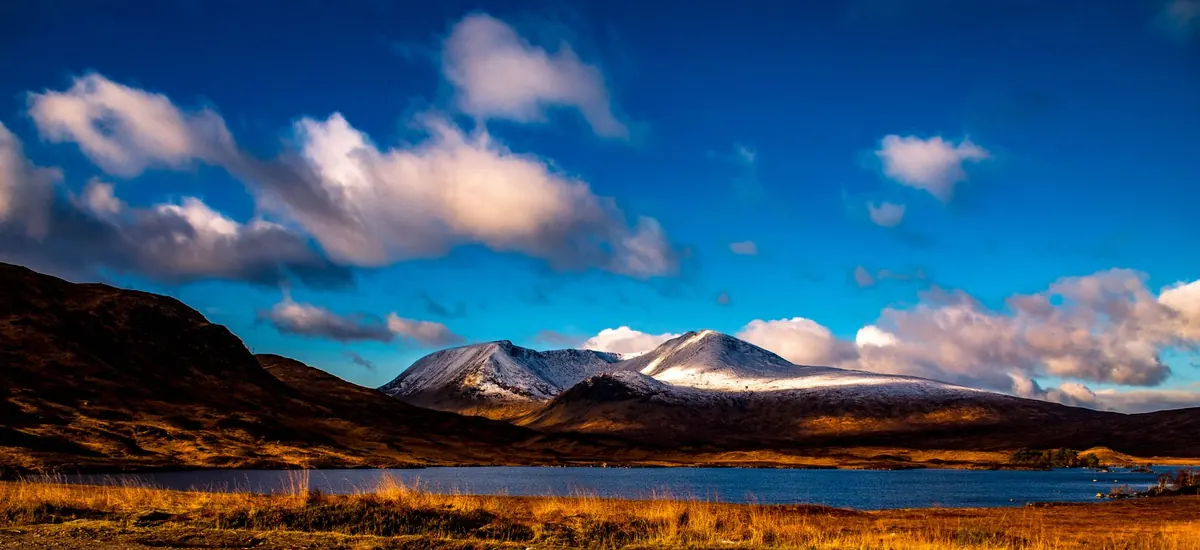
The Highlands don't have an off season so much as several seasons sharing the same postcode. A July afternoon in Glencoe and a February morning in the same glen feel like different countries: different light, different ground underfoot, different number of people standing beside you at the viewpoint.
The variable that catches visitors out most often is the midge. Scotland's biting midges are tiny, silent and strictly seasonal, and understanding how their year overlaps with the weather, the daylight and the crowds is the difference between a memorable trip and a memorably irritating one.
The west coast gets more rain and more midges; the east gets less of both and rather more wind. Altitude matters too, if only because a summit plateau in July is usually breezier and drier underfoot than the car park you left twenty minutes earlier. So the same date can produce a completely different day depending on whether you're in Torridon, Aviemore or Dornoch.
Treat the month as a rough guide. Let the day's wind speed and cloud forecast make the final call.
Highland midges hatch in numbers from late May and stay with us into September, with the worst stretch usually falling across July and August. They are not evenly spread, and they are not invincible. Four conditions make a midge day, and removing any one of them thins the swarm dramatically.
Reverse those conditions and you get relief: exposed ridges, sea cliffs, windswept beaches, open moorland on a breezy afternoon. It's why a walk along the coast near Gairloch can feel almost midge-free while a campsite two miles inland is audible.
March is quiet, cold and often overlooked. Snow still sits on the high tops, daylight runs to roughly eleven or twelve hours by the month's end, and accommodation is cheap and available. Winds can be brutal, and some passes see late snow, so keep plans flexible.
April brings longer days, snowmelt in the glens and a genuine sense that the place is waking up. Midges are largely absent until the very end of the month. Expect everything: sunburn on one walk, sleet on the next.
May is the connoisseur's choice. Daylight stretches past sixteen hours, the landscape is at its greenest, and the midge season has barely begun. Crowds build slightly around the May bank holidays but nothing like summer levels.
June offers almost endless light in the far north — around eighteen hours between sunrise and sunset in Inverness, with a long blue twilight either side. Midges are present, especially on calm evenings near water, but a bit of breeze usually rescues the day. This is the best month for long hill days, late finishes and photographs at eleven at night.
July and August are peak season on every count: warmest temperatures, heaviest midges and the largest crowds. Skye, the North Coast 500 and the popular Glencoe viewpoints all fill up, and ferries and restaurants get busy. If you're travelling then, book accommodation well ahead rather than hoping.
Plan walks for exposed ground and midday sun. Coastal routes, ridgelines and the east side of the country are far kinder than sheltered glens. Pitch tents high, exposed or near the shore rather than beside a boggy loch. And accept that a still, drizzly evening in a birch wood is a good time to be in a pub.
September is many people's favourite month here. The crowds thin after the school holidays, the light turns golden, and midge numbers fall away steadily — though they don't vanish entirely on mild, still days. Heather is fading, the rowans are red with berries and the hills feel quieter.
October brings the best autumn colour, particularly around the Cairngorms, Loch Tummel and the woods of Deeside. Midges are effectively done. Days shorten noticeably but often stay crisp and clear, which suits low sunlight photography and shorter low-level walks.
November is dark, wet and very quiet. Daylight drops below nine hours early in the month and closer to seven by the end. Some facilities close or run reduced hours, but you'll have viewpoints, beaches and bothies largely to yourself.
Winter is the one stretch when you can sit outside at dusk beside a loch without a single bite. At the solstice, Inverness manages roughly six and a half hours of daylight, and the sun stays low all day, throwing long shadows across snow-covered hills.
Snow and ice can close higher roads and some single-track passes, so check conditions before setting out and carry more than you think you need. Midges are gone; so is much of the tourist infrastructure. Expect short days, low light, warm cafés and empty glens.
One health note worth taking seriously: ticks are present across the Highlands, particularly in long grass and bracken in late spring and summer. Check yourself after walks and seek medical advice if you later feel unwell or notice a spreading rash.
Choose May or September for the best all-round compromise, June or October if you want light and colour, and January if you simply want the place to yourself. The Highlands will look after the rest.
Photo: Darrell Gough / Pexels