The Balkans reward a loose plan and a well-prepared bag. A route that looks like a neat line on the map can mean three currencies, two border posts and a bus that leaves when the driver decides it does. The trick is to settle the fixed things first — documents, money, timing — and let the rest stay flexible. Here is what to sort out before you book anything.
The region splits into two rough groups. Slovenia, Croatia and Greece are in the Schengen area, and Bulgaria and Romania have joined in stages, so check the current position before you travel. Serbia, Bosnia and Herzegovina, Montenegro, North Macedonia, Albania and Kosovo sit outside it.
That distinction matters because the 90-days-in-180 rule for Schengen is counted separately from the visa-free allowances most non-Schengen Balkan countries offer. Spending a fortnight in Croatia does not simply reset when you cross into Bosnia. Keep your entry and exit stamps, and if you are travelling on a passport that needs a Schengen visa, apply for a multi-entry one — it makes life easier, though it does not guarantee entry anywhere else.
Rules change, and they change at short notice. Confirm your own situation with the relevant embassy or consulate before you buy flights. No blog, including this one, can do that for you.
Land borders in the Balkans are usually quick and occasionally not. Coastal crossings in high summer, and the main routes into Croatia and Greece in late July, can add an hour or more. Some small crossings close overnight or operate seasonally, so plan the last leg of any driving day in daylight.
The one crossing worth real thought is between Serbia and Kosovo. Serbia does not recognise Kosovo's entry stamps, and travellers who enter Kosovo from Serbia have reported difficulties re-entering Serbia afterwards. The straightforward fix is to cross into Kosovo from North Macedonia, Albania or Montenegro and leave the same way.
A few habits make every border easier:
Buses are the backbone of Balkan travel. They reach places no train does, run frequently between capitals, and are cheap. The catch is information: timetables live on bus-station websites, local booking platforms and sometimes only on a chalkboard. Ask at the station the day before, and turn up early enough to buy a ticket from the window.
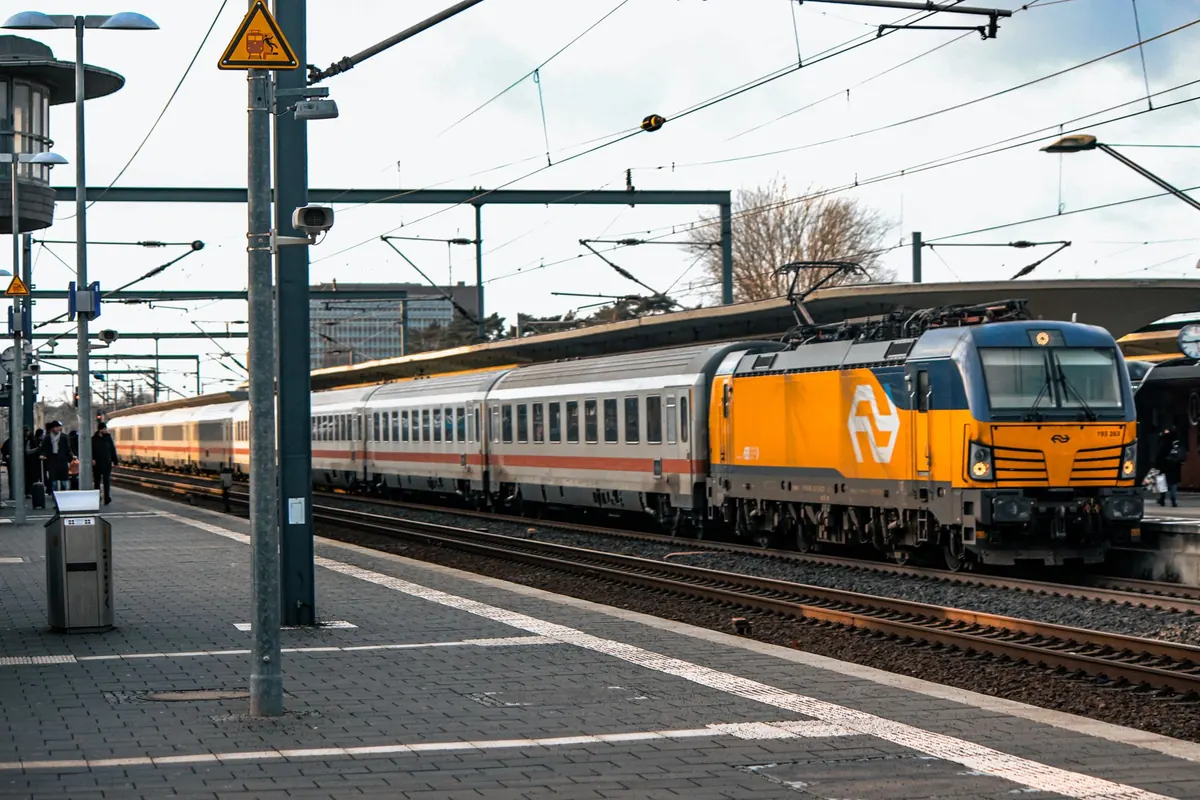
Trains cover fewer routes but some are worth building a day around, particularly the mountain lines through Bosnia and the long run down to the coast from Belgrade. Balkan rail passes and Interrail-style tickets exist and can be good value, but check which countries and which operators are actually included before you buy — several attractive routes are bus-only.
Along the Adriatic, ferries are part of the transport network rather than a treat. Car spaces on summer sailings sell out weeks ahead, so book vehicles early and travel as a foot passenger if you are flexible.
When you plan a leg, work in this order:
The euro is used in Slovenia, Croatia, Greece, Montenegro and Kosovo. Elsewhere you will be dealing with the Bosnian convertible mark, the Serbian dinar, the North Macedonian denar and the Albanian lek. Bulgaria has been moving towards the euro, so check the current situation rather than trusting an old guidebook.
Cards work in hotels, supermarkets and city restaurants. They do not work at village guesthouses, on many rural buses, or at the small bakery where you will want breakfast. Carry a few days' worth of local currency in small notes, withdraw from bank ATMs rather than standalone machines, and tell your bank you are travelling. If you are changing money on the street, don't. For anything involving large sums or long trips, speak to your bank about fees before you leave.
Late May to mid-June and September to early October are the sweet spots. The coast is warm rather than scorching, guesthouses still have rooms, and ferries run a full-ish schedule. July and August bring 35°C afternoons, coastal prices at their peak and packed beaches from Croatia down to Albania. Inland cities become genuinely punishing.
Winter suits a different trip: skiing in Bosnia, Serbia and Slovenia, with quiet towns and low prices. Expect reduced coastal ferries, some mountain guesthouses shut and occasional road closures.
Two things are easy to forget. First, shoulder season cuts both ways — a ferry or a cable car that runs daily in August may run twice a week in October. Second, religious and public holidays fill accommodation fast, whether that is Orthodox Easter, Eid, or a national day in a capital city. And in recent summers, wildfire risk in Greece and the southern Balkans has affected travel at short notice; follow local advice if it happens.
Check your passport has at least six months left and enough blank pages for the stamps you will collect. Buy travel insurance that covers the countries on your list, including Kosovo, and note that EHIC or GHIC cards cover EU treatment but not Serbia, Bosnia, Montenegro, North Macedonia, Albania or Kosovo. Carry an International Driving Permit if any country on your route asks for one, keep digital and paper copies of bookings, and save your embassy's contact details offline. Then pack light, leave a day unplanned, and let the region surprise you.
Photo: Nadia Hristova / Pexels