Fieldwork abroad has a way of exposing every weak point in your kit. A compass that misted up in a Welsh drizzle will mist up faster in a Borneo rainforest, and the notebook that survived a wet afternoon in Snowdonia will quietly turn to pulp somewhere humid. The gap between a productive field season and a fortnight of improvising usually comes down to what went into the bag weeks earlier. What follows is built around what geographers actually carry: mapping tools, weather protection, data-recording kit and the safety items that are easy to forget until you need them badly.
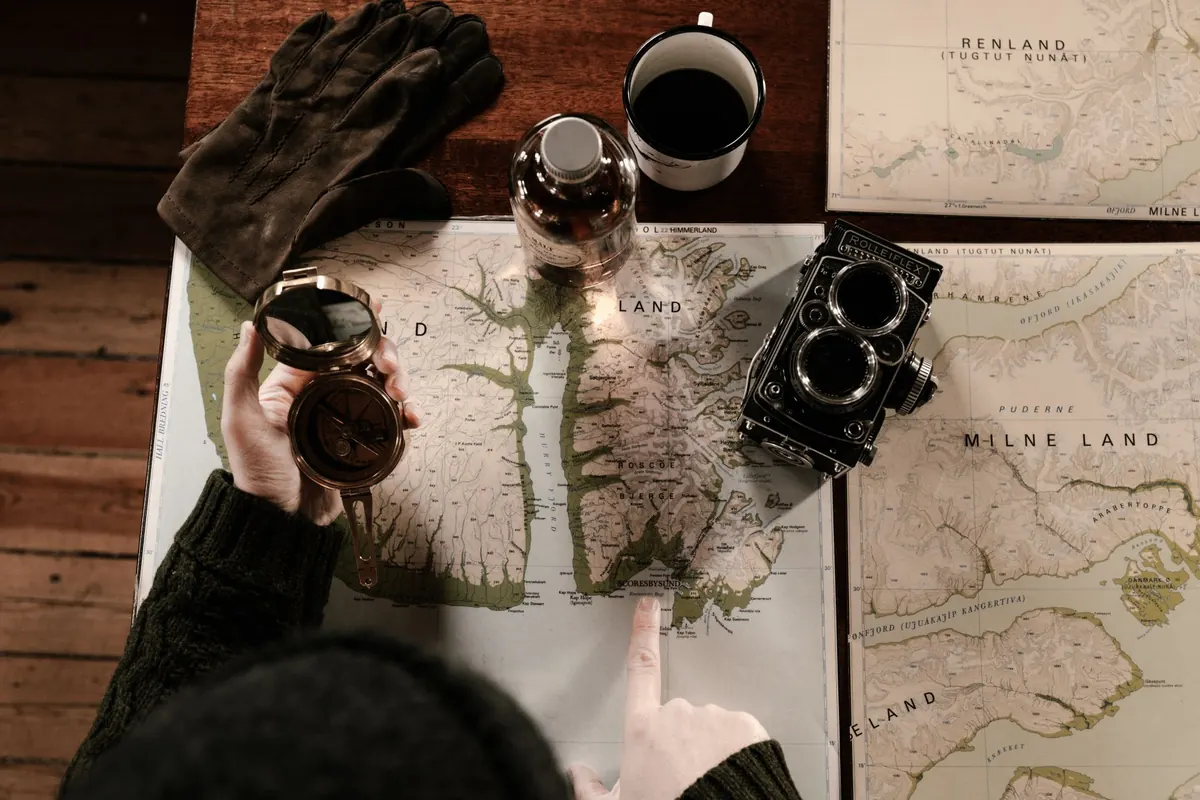
Start with navigation you can trust when the phone dies. A baseplate compass with a declination adjustment, or a sighting compass if you are doing serious bearing work, should be the first item in the bag. Pair it with a map case that actually seals — the roll-top or zip-lock type, not the flimsy sleeve that came free with a magazine.
Print your maps before you travel. Offline vector maps are excellent, but paper does not run out of battery, and in many field areas the difference between a downloaded tile and a blank grey square is a road that has moved since the data was last updated. If your work involves route surveys, mark your planned tracks and known control points on the paper copy before you leave the accommodation.
For measurement work, a handheld GPS unit still earns its place alongside a phone. It takes standard batteries, holds a fix under canopy better than most handsets, and will record waypoints all day. Check the coordinate system and datum you need for your site before departure, and set it up once rather than converting everything later.
Whatever you record digitally, write the key numbers down as well. Waypoints, sample numbers and transect bearings on paper take thirty seconds and will save you an afternoon of reconstruction. If you are collecting rock, soil or vegetation samples, check the destination's rules on export and permits first — some countries restrict removal of geological material, and a permit obtained in advance is far easier than a conversation at customs.
Pack for the worst hour, not the average day. That principle covers most climates: a breathable waterproof shell with taped seams, a warm mid-layer that works when damp, and a hat for both sun and rain. In the tropics, lightweight long sleeves and trousers protect against sun, insects and thorny vegetation far better than shorts and a vest.
Feet deserve the most attention. Take boots you have already broken in, a second pair of insoles, and more socks than feels reasonable — three pairs for every two days of walking is a workable rule. Gaiters help in long grass and on scree. Every soft item goes into a dry bag or a rucksack liner; a few silica gel sachets in the electronics pouch will absorb the humidity that corrodes contacts.
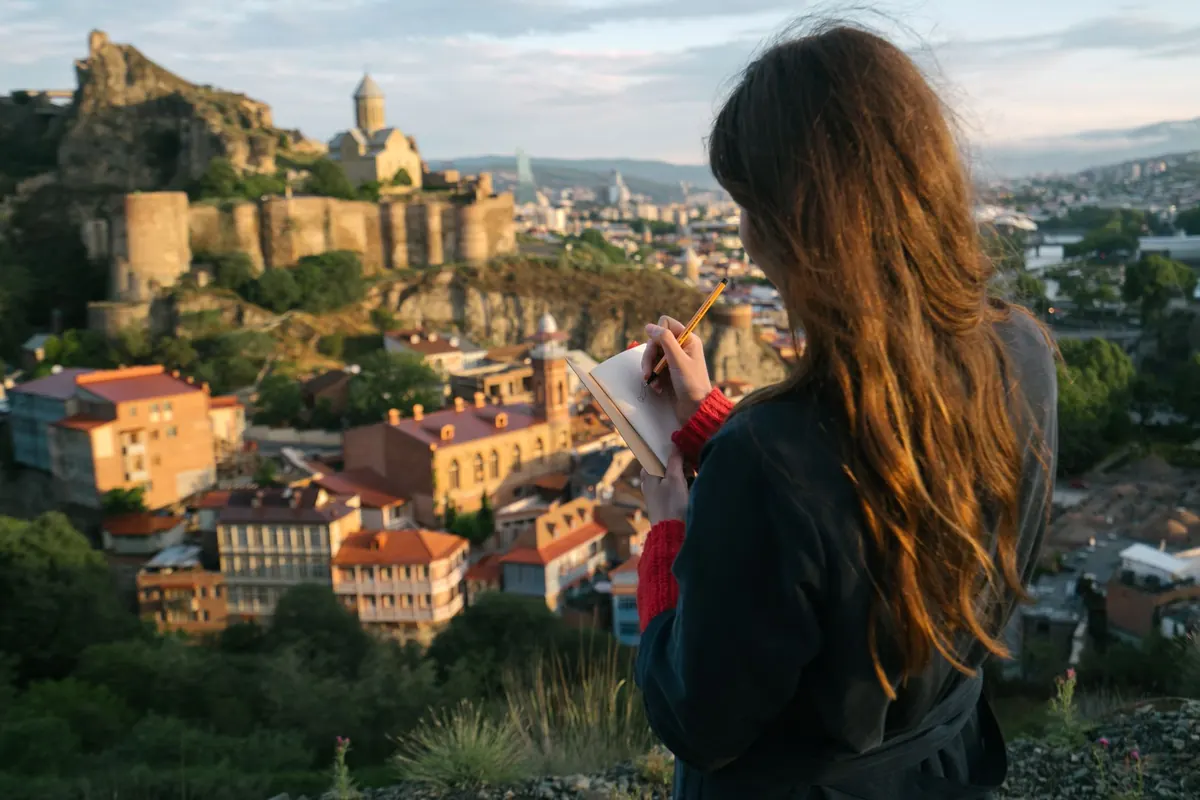
Small things matter: a wide-brimmed hat, sunglasses with UV protection, lip balm, and a lightweight sit mat so you can write up notes without kneeling in mud.
Waterproof paper is not a luxury. A pencil writes on wet paper and does not freeze or leak, so carry two, plus a sharpener. If you use a tablet or rugged laptop in the field, remember that gloves and touchscreens rarely cooperate — a stylus and a physical keyboard case solve most of that.
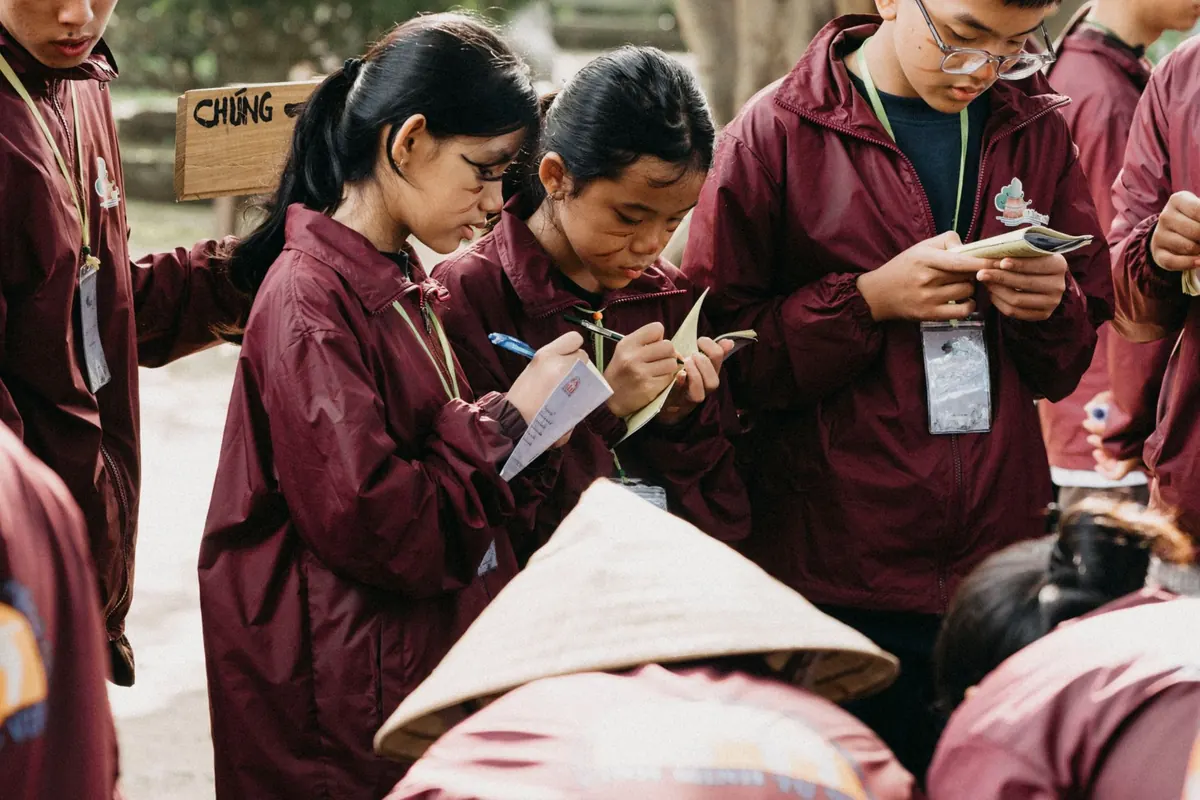
Set up your data sheets before you leave. Printed forms with pre-labelled columns are faster and less error-prone than blank pages, and pre-loaded digital forms do the same job. Give every file a naming convention you can remember at the end of a long day: site, date, transect, initials. Photograph each sampling point with a visible scale and a note of direction, and keep a running field diary in the evening while the day is still fresh.
Back everything up twice — once to an external drive, once to cloud storage when you have a connection. Do it the same day, not at the end of the trip.
Carry a small first aid kit you know how to use: blister plasters, antiseptic, adhesive tape, painkillers, oral rehydration salts and any personal medication in its original packaging with the prescription. A head torch with spare batteries, a whistle, an emergency space blanket and a water filter or purification tablets belong in the day bag, not the main luggage.
If you will be working alone or far from settlements, a personal locator beacon or satellite messenger is worth the weight, and someone at home should have your itinerary and a check-in schedule. For travel health, vaccinations, antimalarials and restricted medicines, speak to a travel clinic or your GP well ahead of departure — rules vary by country and by individual circumstances, and no packing list can substitute for that advice. Travel insurance should explicitly cover the fieldwork activity and any altitude or remote-area work.
Keep a paper folder and a cloud folder with the same contents: passport, visa, research permit, institutional letter, insurance policy and emergency contacts. Leave a copy with someone at home. Take a universal adaptor, a power bank carried in hand luggage, two charging cables and a plug adapter that also accepts a UK three-pin plug, since plugs on site are rarely what you expect.
Carry a modest amount of local currency in small notes, one backup card kept separately from your main one, and enough cash to cover a day of unexpected travel. Tell your bank you are travelling so the card is not blocked on the first transaction.
Do a full kit layout on the floor three days before you fly. Weigh the packed bag, then walk a couple of kilometres with it in the rain — this catches the strap that rubs and the jacket that soaks through long before it matters. Keep the essentials for the first 48 hours, plus your data kit and medication, in hand luggage in case the checked bag arrives late.
Finally, write your name, institution and a contact number inside the bag and on a card in your pocket. Fieldwork rarely goes exactly to plan, but a well-packed rucksack means the surprises stay interesting rather than expensive.
Photo: Thư Tiêu / Pexels